
Why 2026 Is the Year of Voice2Voice: From Legacy IVRs to Real Conversational Voice Agents
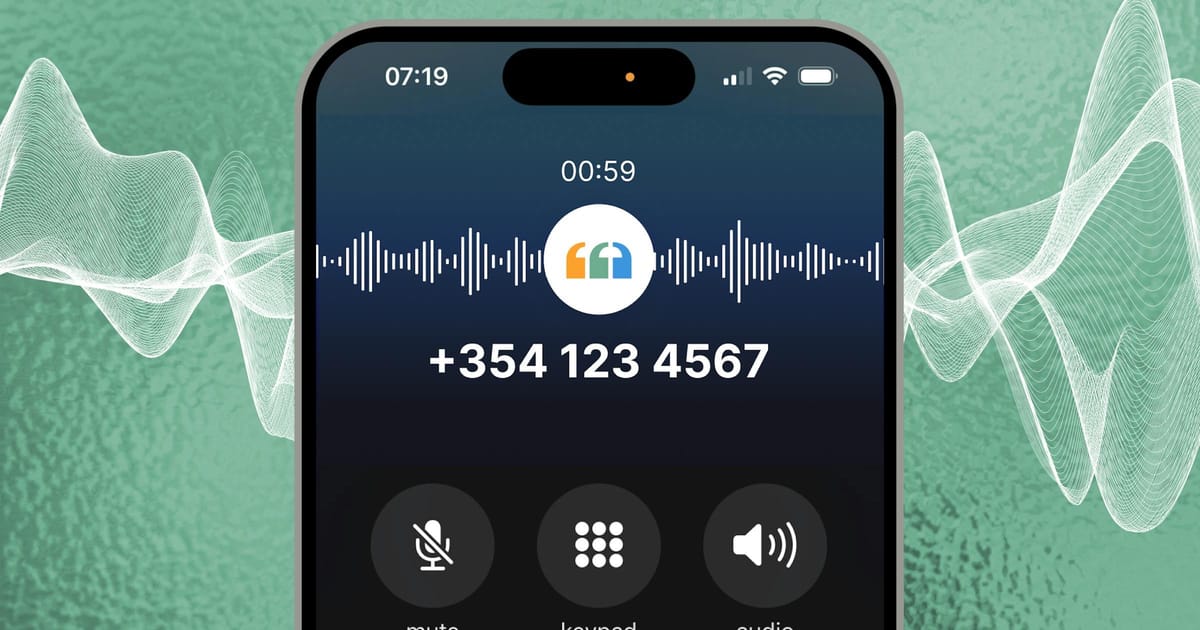
In 2026, customer support is finally moving beyond rigid IVR menus and keypad-based interactions toward truly conversational voice experiences. Voice2Voice architectures, where the entire interaction flows as audio-in/audio-out with minimal latency, are becoming the new standard for modern contact centers. Instead of forcing callers through “press 1, press 2, press 3” trees, companies can now offer natural, human-like dialogues that feel closer to speaking with a real agent than interacting with a machine.
Voice2Voice is the evolution of the classic STT → LLM → TTS pipeline. In the traditional approach, speech is converted to text, processed by a language model, and then turned back into audio, often resulting in noticeable delays and rigid turn-taking. With streaming, low-latency audio models and real-time orchestration, the system can listen and speak almost simultaneously, enabling barge-in, smoother overlaps, and more fluid conversations. The result is a voice agent that feels responsive, adaptive, and significantly more pleasant for callers.
From a business perspective, this shift is driven by three clear priorities: cost reduction, better customer experience, and operational flexibility. Voice AI agents can handle a large share of repetitive calls, from FAQs to basic troubleshooting, reducing the workload on human agents. At the same time, callers benefit from 24/7 availability, consistent quality, and faster resolution times, while being free to use natural language instead of memorizing a sequence of menu options.
For organizations running Asterisk-based infrastructures, Voice2Voice is particularly attractive because it can be layered on top of existing telephony setups. Instead of replacing the PBX, you connect external voice AI services through SIP, WebRTC, or dedicated APIs, and let the AI handle the conversation while Asterisk continues to manage trunks, dialplans, and call routing. This approach reduces migration risk: you keep your existing numbers, carriers, and call flows, but you upgrade the “brain” that talks to your callers.
AgentVoiceResponse fits this new paradigm by acting as the bridge between your phone system and modern Voice2Voice AI models. You route calls from your Asterisk server into AgentVoiceResponse, let the AI agent manage the dialogue in real time, and send the synthesized voice back into the call without forcing changes to your core telephony stack. This makes it easier to experiment with conversational flows, iterate on prompts, and integrate external systems such as CRMs, ticketing tools, or business APIs.
If you are still relying on DTMF IVRs or static call trees, 2026 is the right moment to start testing a Voice2Voice approach. Begin with a narrow, high-volume use case—like order status, booking confirmations, or password resets—and deploy a voice agent alongside your existing IVR. Measure average handling time, containment rate, and caller satisfaction, then use those insights to refine your design. Step by step, you can transition from “press 1 to…” to a more natural “How can I help you today?” experience, using platforms like AgentVoiceResponse to bring real conversational intelligence into your phone lines.